




Overseas Abortion Drug Kills Woman in Secret, At-Home Abortion in Canada
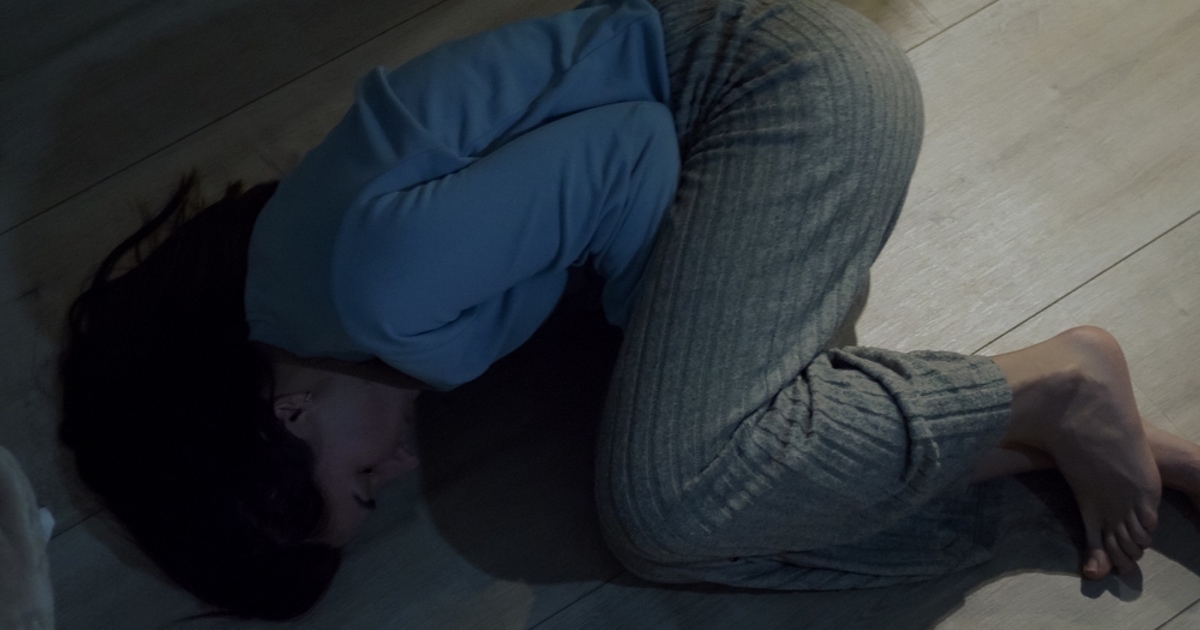
A 31-year-old woman from Alberta is dead, along with her baby, after using an abortion drug sourced overseas in a secretive, off-label abortion.
The woman, whose name cannot be published due to a court-ordered ban, learned she was pregnant in January 2024. Due to lack of medical coverage, family expectations, and community optics, court documents state, the woman decided to pursue an abortion.
She was given $500 by her partner for the abortion and ordered "unknown medication" from the Philippines. By the time she consumed it on June 10, 2024, she was at least 5 months pregnant, well past Canada's nine-week cutoff line for a Mifegymiso-induced chemical abortion.
She began to experience abdominal pain. Over the next several days, the woman's physical health worsened. She and her partner nevertheless continued to hide her pregnancy and abortion plan from family and health care providers. They convinced her family that she was simply experiencing stomach aches, diarrhea, and vertigo.
Four days into the abortion procedure, the woman gave birth to the baby and experienced blood loss in the bathroom, court documents indicate. It is unclear if the baby was delivered alive or had died previously. Whatever the case, she hid the body. The woman was then unable to get up from the floor.
Even at this point, the couple tried to keep what they had done secret from the woman's family, who were trying to care for her.
By that evening, the woman was unresponsive.
A neighbour who was also a nurse called 911. Paramedics arrived before the woman went into cardiac arrest. They performed CPR on her before transporting her to the hospital.
The woman never recovered. On July 4, approximately three weeks after inducing the abortion, the woman died at a long-term care facility.
The woman's partner was accused of failing to report the body of the child to the police, making him a party to an offence of concealing the body of a child contrary to the Criminal Code.
This is the second woman in Canada in four years whose death has been publicly linked to abortion drugs. 19-year-old Rheanna Laderoute from Ontario died in 2022 after taking the abortion drug Mifegymiso. She died of “septic shock,” a known risk of chemical abortion pills.
Canadian abortion activists have hailed these drugs as the “gold standard” for ending the life of a preborn child.
Health Canada’s adverse-reaction database, however, contains more than one hundred reports of serious harm to Canadian women since the regimen became available in 2017. The product monograph published on Health Canada’s website for the mifepristone/misoprostol combination explicitly warns of risks of serious harm and death. Listed risks include heavy bleeding that may require transfusion and infections that can progress to fatal septic shock.
The tragic stories of these two women highlight just how unsafe abortion drug protocols can be to women. Together, the two deaths illustrate that serious complications can arise, both when abortion drugs are used under Canadian regulations and when they are used off-label.
What is most responsible for these tragic deaths is a culture that treats preborn human lives as disposable and presents chemical abortion as a straightforward, low-risk solution. Women accordingly view the deliberate ending of a pregnancy as an ordinary medical choice rather than one that carries real risks of hemorrhage, infection, and death.
Women deserve better. The truth is that abortion drugs are not safe. They are not safe for women, and they are certainly not safe for preborn babies. The documented risks of heavy bleeding, infection, and septic shock, together with the deaths of multiple women in Canada and innumerable preborn babies, make a strong case for a moratorium on abortion drugs.