




The Human Cost of IVF: The Conversation the UN Won’t Have
In a week dominated by abortion advocacy, population control rhetoric, and the steady erasure of both women and the family, our side event at the Conference on the State of Women and Family (CSWF), a parallel forum that runs alongside the United Nations Commission on the Status of Women (CSW), stood apart in a powerful way.
While the official UN spaces continued to promote a narrow and ideologically driven vision of “reproductive rights,” our panel offered something entirely different. Truth. Not the kind that is easy or comfortable, but the kind that is necessary.
“The Human Cost of IVF – Ethical, Legal, and Social Implications of Reproductive Technologies” was the only event across the entire two-week CSW conference examine in vitro fertilization from a pro-life perspective. That alone made it significant. But what made it impactful was not just that we were different. It was that we were willing to say what so many others refused.
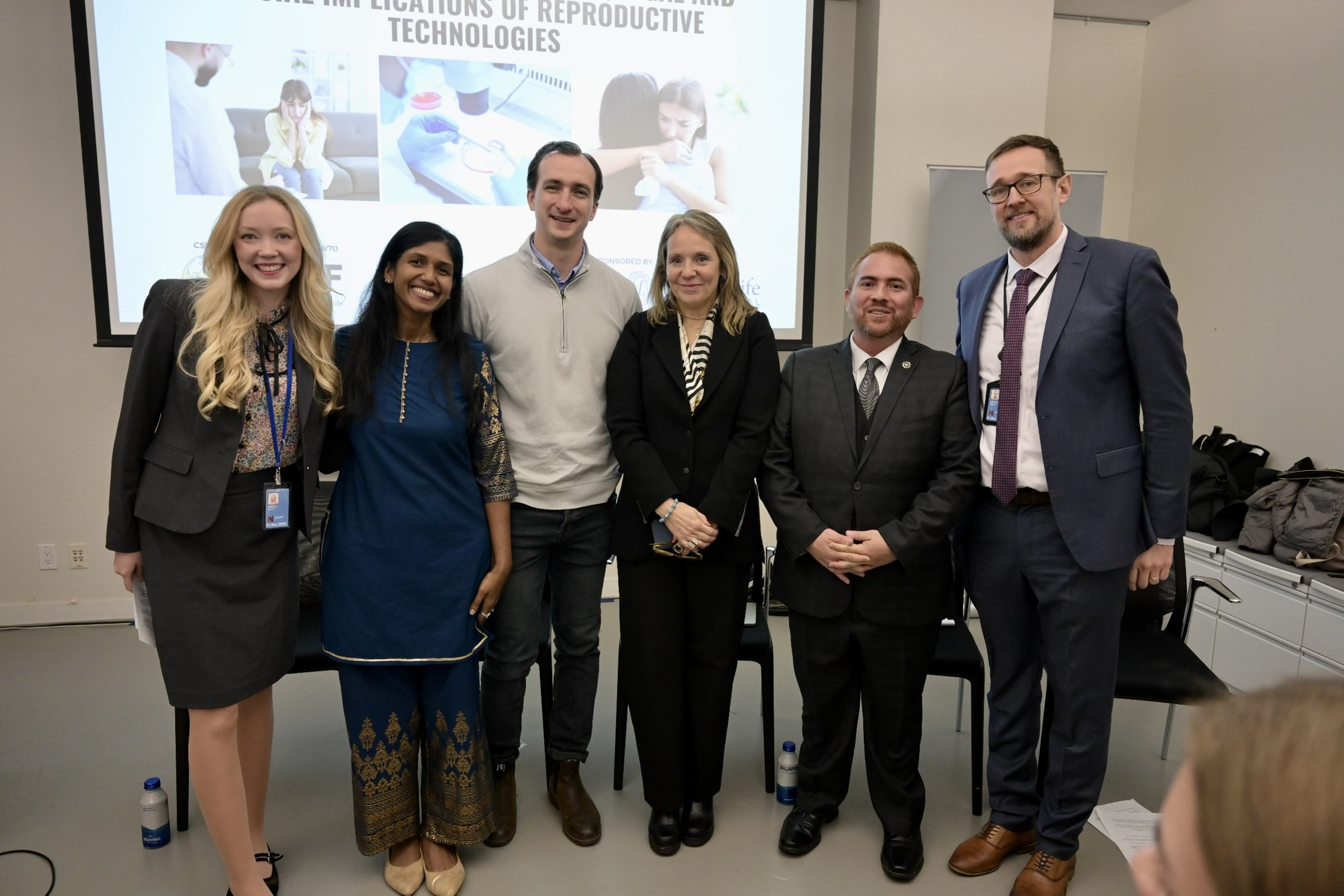
Hosted just steps away from UN headquarters at the Lebanese American University, our event brought together experts in medicine, law, ethics, and international policy to confront a reality that is almost never discussed in global forums.
As I opened the panel, I invited the audience to consider a simple but often ignored truth. Right now, millions of embryonic human beings exist frozen in storage as a result of IVF. Many will never be born. They will remain suspended indefinitely, discarded, or used for experimentation. If we are serious about human rights, this cannot be ignored.
IVF is often presented as a compassionate solution to infertility. And it is important to acknowledge that infertility is deeply painful. The desire for a child is real and good. But compassion cannot come at the cost of another human life.
Only seven percent of embryos created through IVF will ever result in a live birth. The rest are lost, frozen, selected against, or destroyed. These are not abstract concepts. Each embryo is a human being at the earliest stage of life. Yet modern reproductive technologies treat them as products, graded for quality, stored, shipped, and discarded when deemed unnecessary.
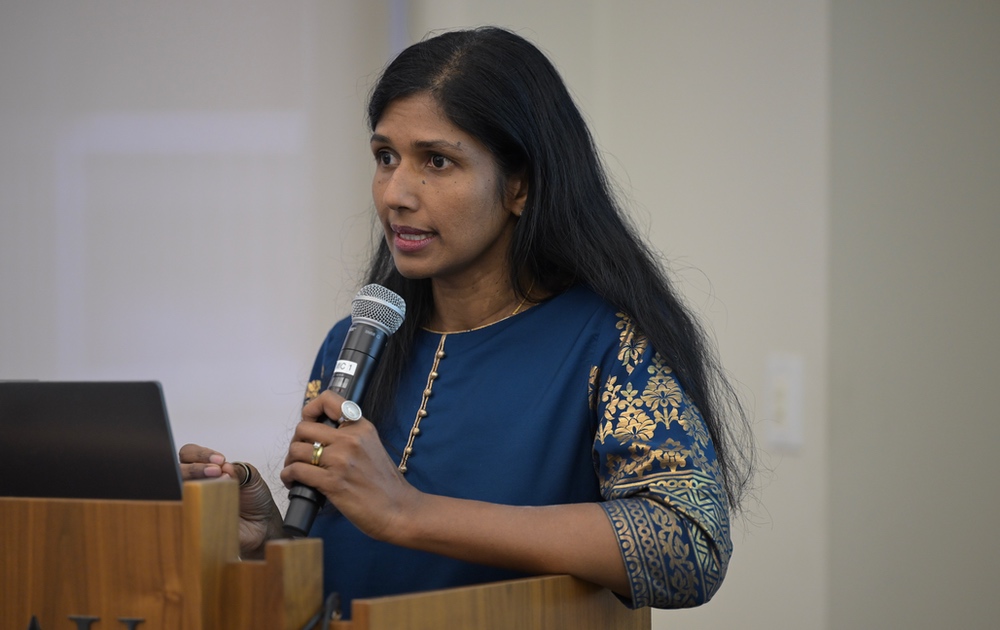
Dr. Monique Ruberu grounded the conversation in the medical reality of IVF. As a practicing OB/GYN who transitioned to NaProTechnology, she explained both the physical toll IVF takes on women and the ethical concerns surrounding embryo loss. She also pointed to restorative reproductive medicine as an ethical alternative that seeks to treat the root causes of infertility rather than bypassing them at the expense of human life.
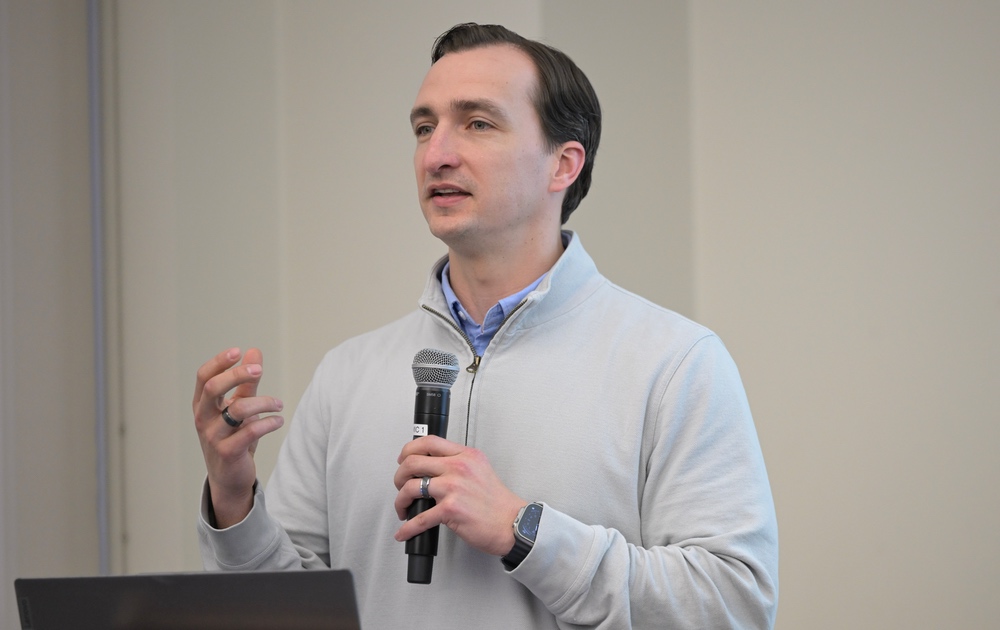
Josh Wood of Them Before Us shifted the focus to the rights of children. His message was clear and compelling. Children are not products of adult desires. They are human beings with rights, including the right to be known and loved by their mother and father. IVF, especially when combined with donor conception and surrogacy, often intentionally separates children from one or both biological parents. In doing so, it prioritizes adult wants over the well-being of the child.
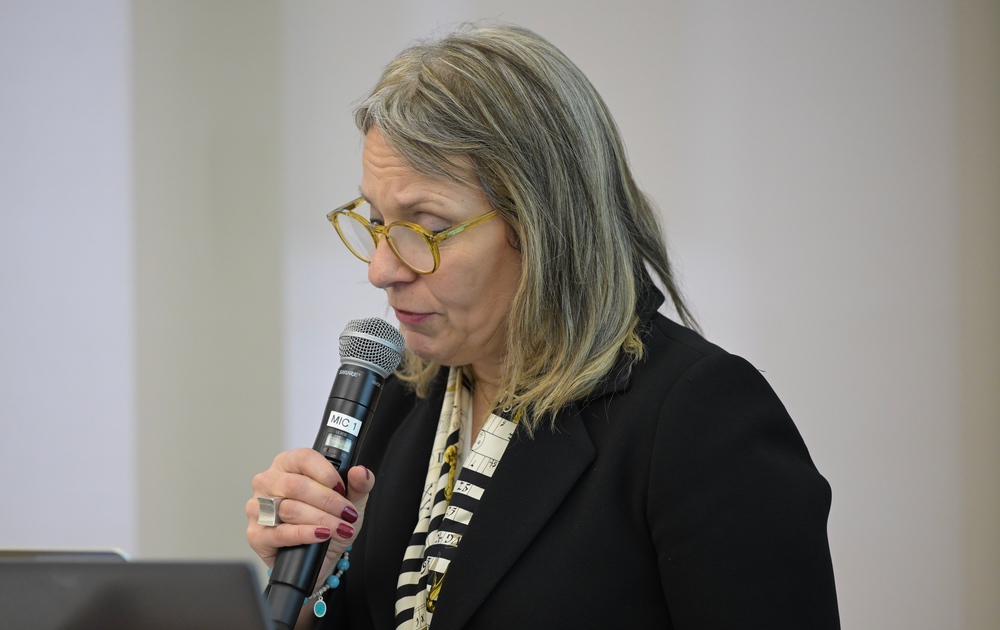
Dr. Ursula Cristina Basset brought a legal perspective, highlighting the growing tension between reproductive technologies and established human rights frameworks. As IVF becomes more embedded in law and policy, it raises difficult questions about parentage, identity, inheritance, and the legal status of the embryo. Her remarks made clear that the law is struggling to keep up with technologies that are fundamentally reshaping the meaning of family and human life.
Luis Martinez of Human Life International addressed the issue at the international level, examining how IVF and related technologies are being introduced into UN language and global policy under the umbrella of “reproductive rights.” He warned that these discussions often exclude the child entirely and ignore the ethical implications of commodifying human life. As these technologies become normalized in international agreements, the need for clear, principled advocacy becomes even more urgent.
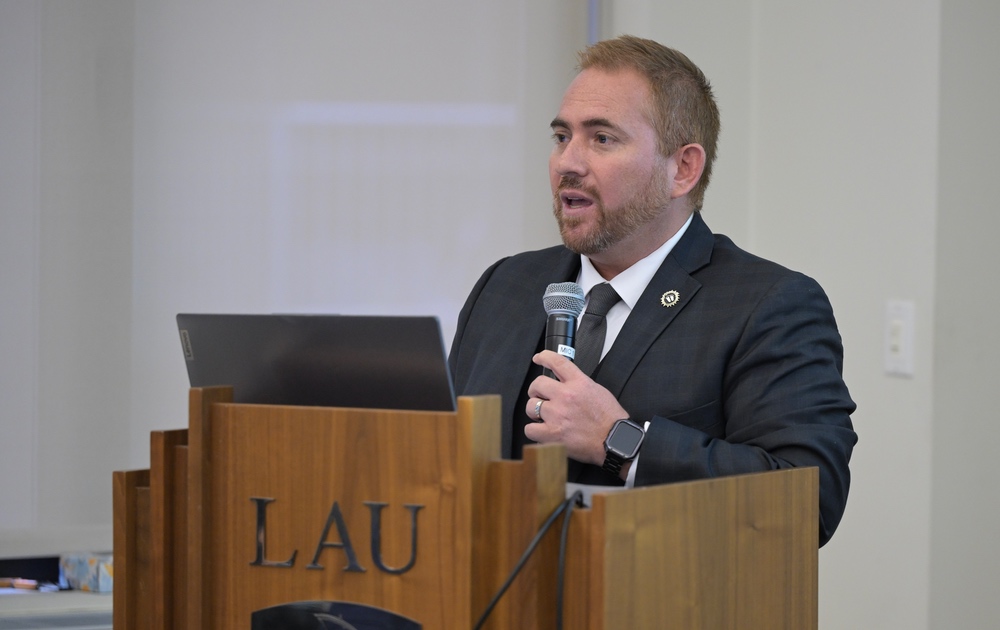
Throughout the discussion, one theme remained constant. Human beings are not commodities. Children are not products. And technology must serve human dignity, not redefine it.
What made this event especially meaningful was the context in which it took place. At a time when pro-life voices are increasingly pushed out of official UN forums, the Conference on the State of Women and Family has become an essential space for honest dialogue. Our event was part of that growing effort to ensure that perspectives grounded in the dignity of life, the importance of family, and the rights of children are not silenced.
There was a clear contrast between what we heard in many UN events throughout the week and what was presented in this room. In other spaces, IVF is rarely questioned. It is assumed to be an unquestioned good, a matter of access and equality. The ethical costs are ignored. The children are absent from the conversation. The embryos are invisible.
In our event, those realities were brought to the forefront.
This was not about condemning those who struggle with infertility. It was about asking the deeper question that so many are unwilling to ask. What is the true human cost of IVF?
If human rights are to mean anything, they must apply to every human being, including those at the earliest stages of life. If we are serious about protecting women, we must also acknowledge the physical and emotional burdens placed on them through these procedures. And if we care about the future of the family, we must carefully examine technologies that risk redefining children as products of a process rather than persons with inherent dignity.
Our side event was a bold witness to these truths. In a setting where such perspectives are often dismissed or excluded, simply stating them clearly and without apology was significant.
The conversation is not over. In many ways, it is only beginning.
But if we want a world that truly upholds human dignity, protects women, and respects the rights of children, these are conversations we cannot afford to avoid.
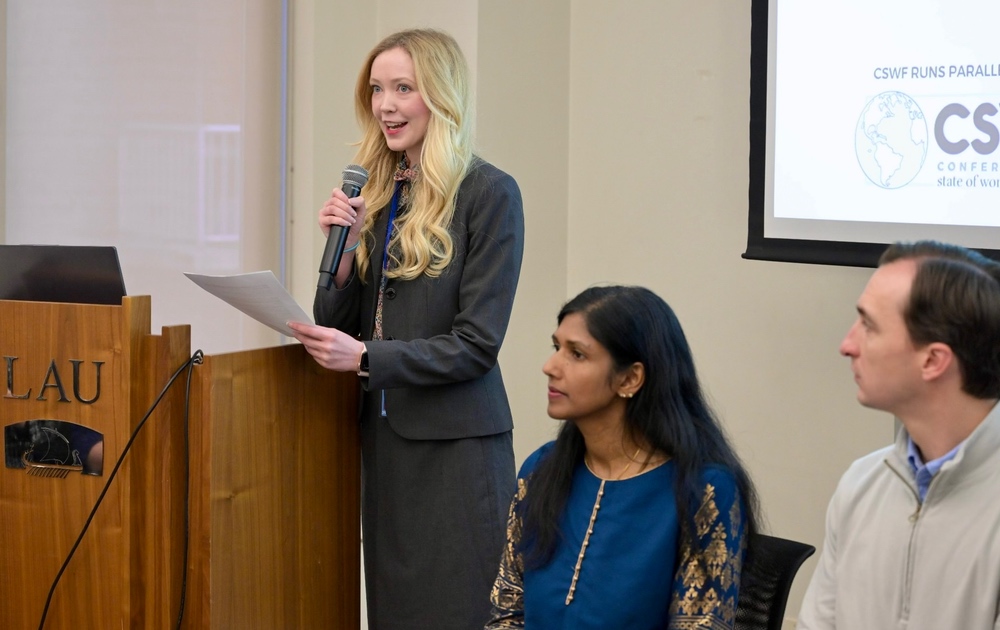
Watch our full event here: https://youtu.be/liiu5zeS2T0?si=zqpD9wPnFXYN9sXR